Friday, June 5, 2009

These are button shells..The shells come in an amazing variety of colours and patterns. To escape predators, button snails make a short, spiralling leap then quickly bury themselves into the sand again. You might see the tiny trails left by panicky button snails, punctuated by little holes where they disappeared into the sand. Sadly, these beautiful tiny animals are collected, killed and their shells sold as cheap curios and for handicrafts.
Done by : Enrui
Environmentalist Blogged:7:58 AM

During the trip, l saw a squirrel running swiftly up a tree. It is very quick and agile on trees. The Plantain Squirrel is a species of rodent in the Sciuridae family. It is also called Oriental or Tricoloured Squirrel. It is found in Indonesia, Malaysia, Singapore and Thailand. They are found in a wide range of habitats: forests, mangroves, parks, gardens, agricultural areas. Fruit farmers consider them to be pests.
Done by: Enrui
Environmentalist Blogged:7:04 AM
OUR PAST POSTS HAS GONE INTO HISTORY !CLICK ONTO THE THIRD TREE FOR OUR HISTORY !
Environmentalist Blogged:6:18 AM
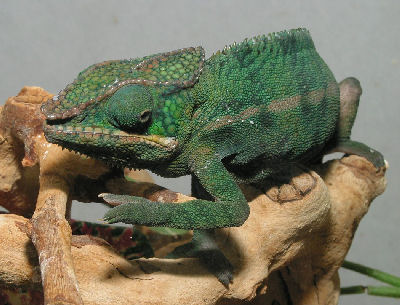
Towards the end of mangrove, we saw this. It is a chameleon lizard.They are a distinctive and highly specialized clade of lizards. They are distinguished by their parrot-like zygodactylous feet, their separately mobile and stereoscopic eyes, their very long, highly modified, and rapidly extrudable tongues, their swaying gait, and the possession by many of a prehensile tail, crests or horns on their distinctively shaped heads, and the ability of some to change color.
Done by: Enrui
Environmentalist Blogged:5:48 AM
we picked up weeds and pong pong fruits.
we wore gloves and those who didn't have gloves held trash bags.
it was a hard work picking those up and our hands got all dirty.
our shoes got all muddy too.
towards the end, we all got vety tired.
but we had no choice but to fill up all the trash bags.
we continued picking and filled up the trash bags.
we were all dog-tired after tat.
we then had to carry the trash bags to the car park.
they were real heavy
er perspired a lot.
all in all, it was fun !
hope to have another trip tp the mangrove !
Done By : Minji
Pictures By :
YUME :D 

Environmentalist Blogged:5:39 AM

This is the Crematogaster type of ants. Members of this species-rich genus nest in cavities. This ant has a small sting and exudes a repellent.It is common on the underside of leaves of the Sea Hibiscus (Hibiscus tiliaceus), feeding on the slot-like nectaries of the thick veins at the base of the leaves.
Done by: EdDIE
Environmentalist Blogged:5:19 AM


This is the archerfish. Even though it only appeared once during our trip and not many of us saw, it was still a magnificent sight.The Archerfish's eye is designed to spot and aim accurately at insects - fully compensating for the refraction which takes place when light travels from water to light. When the fish fails to shoot down its prey (as even the most accomplished marksman sometimes does), it is able to leap high out of the water to snatch the insect.
Done by: EdDIE
Environmentalist Blogged:5:15 AM